Professional Premium Aluminum Oxide Products Supplier

1. Introduction
Let’s face it: your average casserole dish has seen better days. Chipped edges, mysterious stains that survived three dishwasher cycles, and that one corner that’s slightly warped from being shoved into a too-hot oven one too many times. Enter the unsung hero of the modern kitchen—the alumina ceramic baking dish. Not only does it look sleek (hello, Instagram-worthy lasagna), but it also performs like a culinary ninja: silent, strong, and shockingly heat-resistant.
Alumina ceramic isn’t just for lab equipment or fancy industrial pipes (though it’s great at those too). It’s making serious waves in home cookware, and for good reason. In this article, we’ll dive into what makes an alumina ceramic baking dish so special, explore its many forms—from butter dishes to holiday platters—and explain why your next kitchen upgrade might just be a gleaming white (or black!) alumina ceramic dish.
2. What Is an Alumina Ceramic Baking Dish?
An alumina ceramic baking dish is made from high-purity aluminum oxide (Al₂O₃), fired at extreme temperatures to create a dense, non-porous, and incredibly durable material. Unlike traditional stoneware or porcelain, alumina ceramic can withstand thermal shocks, resists staining, and won’t leach chemicals into your food—even when you’re baking a triple-cheese mac and cheese at 450°F.
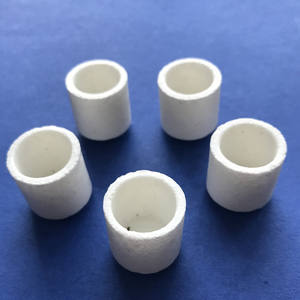
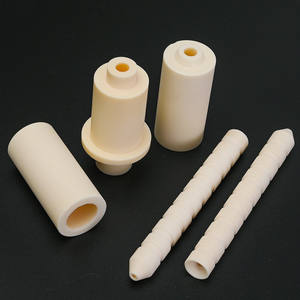
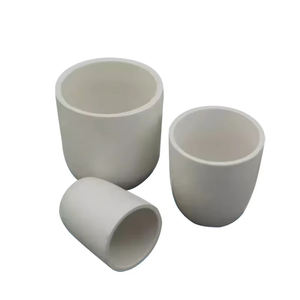
This material is so tough that it’s also used in aerospace, medical implants, and yes—even those mysterious alumina ceramic tubes and crucibles you’ve probably never thought about while preheating your oven. But don’t worry: your alumina baking ceramic dish won’t double as a thermocouple protection tube… unless you’re really into kitchen science.
3. Why Choose Alumina Ceramic for Your Kitchen?
First off, heat distribution. Alumina ceramic dishes heat evenly and retain warmth longer than glass or metal—perfect for keeping your gratin bubbling long after it leaves the oven. Second, they’re non-reactive. Acidic tomatoes? Creamy sauces? No problem. Your alumina ceramic casserole with lid won’t discolor or absorb odors.
And let’s talk aesthetics. Whether you prefer classic alumina white ceramic plates or bold alumina black plates ceramic, there’s a style for every table. Plus, many are handcrafted, making your alumina handcrafted ceramic plates not just dinnerware—but art.
4. Beyond the Baking Dish: The Full Alumina Ceramic Lineup
The versatility of alumina ceramic extends far beyond your standard 9×13. Consider these kitchen staples:
- Alumina ceramic butter dish with lid: Keeps your butter fresh and stylishly displayed.
- Alumina ceramic sugar dish: Perfect for your morning coffee station.
- Alumina ceramic ramekins: Ideal for crème brûlée or individual pot pies.
- Alumina ceramic serving bowls and platters: From salad to Sunday roast, presentation matters.
- Alumina ceramic plates for dinner: Including alumina ceramic childrens plates that survive sticky fingers and accidental drops.
- Alumina ceramic Christmas plates: Festive, durable, and reusable year after year.
And yes—there’s even an alumina baking dish Staub-style for those who love French cookware with a high-tech twist.

5. Oven-Safe, Dishwasher-Safe, Life-Safe
One of the biggest perks? Alumina ceramic dishes for oven use are truly oven-to-table heroes. An alumina oven ceramic dish can go from freezer to broiler without cracking—something your old Pyrex might side-eye nervously. They’re also dishwasher-safe, microwave-safe, and generally unfazed by the chaos of modern kitchen life.
Need a dish that doubles as a serving platter? Try an alumina ceramic serving platter. Want to paint your own designs? Alumina ceramic plates for painting are a blank canvas (just use food-safe paints if it’s for eating!).
6. A Note on Non-Kitchen Alumina Ceramics (Because We Can’t Ignore Them)
While we’re focused on the kitchen, it’s hard not to admire alumina’s other talents. Those alumina ceramic tubes? Used in high-temperature furnaces. Alumina ceramic crucibles? Melting gold like it’s butter. Alumina bricks? Holding up industrial kilns. And don’t get us started on alumina ceramic ball bearings—they’re smoother than your morning latte.
But unless you’re planning to melt steel in your casserole (please don’t), stick to the cookware. Though it’s fun to imagine your alumina ceramic casserole dish whispering, “I could be a thermocouple sheath… but I chose lasagna.”
7. Conclusion
The alumina ceramic baking dish isn’t just another piece of cookware—it’s a kitchen revolution wrapped in elegance and engineered for endurance. Whether you’re serving a weeknight stir-fry on alumina ceramic dinner plates or presenting a holiday feast on an alumina Christmas ceramic platter, you’re cooking with confidence, style, and a material that’s literally out of this world.
So next time you’re tempted by that flimsy disposable pan, remember: your food deserves better. It deserves an alumina ceramic dish—where science meets supper, and every bite is served with a side of sophistication.
Our Website founded on October 17, 2012, is a high-tech enterprise committed to the research and development, production, processing, sales and technical services of ceramic relative materials such as Discover. Our products includes but not limited to Boron Carbide Ceramic Products, Boron Nitride Ceramic Products, Silicon Carbide Ceramic Products, Silicon Nitride Ceramic Products, Zirconium Dioxide Ceramic Products, etc. If you are interested, please feel free to contact us.
RELATED POSTS
Alumina Ceramic Baking Dishes: The Ultimate Guide to Performance, Versatility, and Safety
10 Things You Need to Know About Alumina Ceramic Baking Dishes and More

How Are “Alumina Ceramic” Rods Made

99% Al2O3 White Fused Alumina 0-1mm: Premium Raw Material for Ceramic Block and Brick Production
Alumina Ceramic Baking Dishes: The Ultimate Kitchen Upgrade for Durability and Style