Professional Premium Aluminum Oxide Products Supplier

Key takeaways
- Purity and composition of aluminium oxide directly affect its performance in abrasives, ceramics, and electronics.
- Common analytical techniques include XRF, ICP-OES, XRD, and EDTA titration, each with specific strengths.
- Proper sample preparation and quality control (CRM, replicates, calibration) are essential for accurate results.
- No single method is universal; technique selection depends on the required detection limits and target elements.
Introduction to Aluminium Oxide Purity Testing
Aluminium oxide is an industrial material valued for its hardness — it is one of the hardest engineered materials — chemical inertness, and thermal stability. Its performance in abrasives, ceramics, refractories, and electronics depends on the powder's purity and composition. In a quality control laboratory, the primary goal is to confirm that each batch meets specified standards for purity and elemental composition.
Testing aluminium oxide uses analytical techniques that measure the concentration of Al₂O₃ and detect trace impurities. These measurements directly affect product consistency, regulatory compliance, and downstream process outcomes. This article outlines the key principles, common methods, and quality assurance steps used in such testing.

The Importance of Measuring Aluminium Oxide Purity and Composition
The purity level of aluminium oxide determines its suitability for different applications. High-purity grades (99.5% or above) are required for electronics substrates and advanced ceramics, while lower purities are used for general abrasives, including those requiring specific grit sizes and applications. Composition also includes trace elements such as iron, silicon, sodium, and calcium, which can affect color, hardness, or sintering behavior.
Without accurate and repeatable testing, manufacturers risk producing material that fails to meet customer specifications or triggers downstream defects. Laboratories implement standardized procedures with validated instruments to ensure that every measurement is traceable and reliable.

Common Analytical Techniques for Aluminium Oxide
Several techniques are routinely used to evaluate aluminium oxide purity and composition. X-ray fluorescence (XRF) is used for rapid screening of major and minor elements, providing a non-destructive elemental fingerprint. Inductively coupled plasma optical emission spectrometry (ICP-OES) provides higher sensitivity for trace element quantification, especially for low-level impurities.
X-ray diffraction (XRD) identifies crystalline phases and detects other alumina polymorphs or secondary phases. For precise aluminium content determination, classical wet chemical methods such as EDTA titration remain a standard reference, particularly when ISO or ASTM compliance is required.
Each method has its own detection limits, sample preparation requirements, and calibration protocols. The choice of technique depends on the purity level to be verified, the target elements, the required turnaround time, and the intended application, such as grit size for blasting.
| Key Aspect | Description |
|---|---|
| X-ray Fluorescence (XRF) | Non-destructive elemental analysis; suitable for rapid screening of major and minor elements. |
| Inductively Coupled Plasma (ICP-OES) | High sensitivity for trace element quantification; requires sample dissolution. |
| X-ray Diffraction (XRD) | Identifies crystalline phases and polymorphs; used for phase purity assessment. |
| EDTA Titration | Classical wet chemical method; reference technique for precise aluminium content determination. |
Sample Preparation and Quality Control in the Laboratory
Accurate testing begins with proper sample preparation. The aluminium oxide sample must be representative of the entire batch, often obtained through coning and quartering or using a sample splitter. For XRF, the sample is typically ground to a fine powder and pressed into a pellet; for ICP, it is dissolved in an acid mixture under controlled conditions.
Quality control includes running certified reference materials (CRM) at regular intervals, performing replicate analyses, and maintaining instrument calibration logs. Blank tests and spiked samples help detect contamination or recovery issues. Any out-of-specification result triggers a re-evaluation and, if needed, corrective actions such as re-blending or rejecting the batch.

Conclusion: Ensuring Consistent Quality
Testing aluminium oxide purity and composition in a quality laboratory is a systematic process combining multiple analytical techniques with rigorous quality control. Understanding each method's strengths and limitations allows laboratories to deliver reliable data that supports manufacturing and customer trust.
Although specific instruments and procedures may vary between facilities, the underlying principles of traceability, accuracy, and repeatability remain universal. Regular training and method validation further ensure that results remain consistent over time.

Frequently asked questions
What is the standard purity requirement for aluminium oxide used in electronics?
Electronic applications typically require purity of 99.5% or higher, with strict limits on trace elements such as iron, sodium, and calcium.
Can XRF detect all trace impurities in aluminium oxide?
XRF is effective for elements with atomic numbers above 11, but very low concentrations (<10 ppm) may require ICP-OES for reliable detection.
Why is sample preparation critical in aluminium oxide testing?
Inhomogeneous samples can lead to non-representative results. Proper grinding, mixing, and splitting ensure that the tested portion truly reflects the bulk material.
How often should certified reference materials be used in the laboratory?
Typically, CRMs are run at the beginning of each batch and at regular intervals during the analysis to verify instrument accuracy and method performance.
Supplier
Alumina Technology Co., Ltd focus on the research and development, production and sales of aluminum oxide powder, aluminum oxide products, aluminum oxide crucible, etc., serving the electronics, ceramics, chemical and other industries. Since its establishment in 2005, the company has been committed to providing customers with the best products and services.
RELATED POSTS
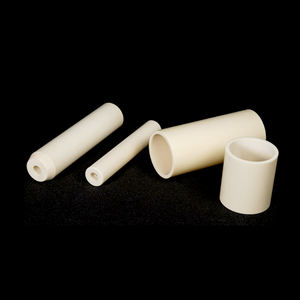
Alumina Ceramic Tubes vs Other Ceramic Tubes: An Extensive Performance Contrast for Industrial Applications
Discover the Versatility of Alumina Ceramic Baking Dishes and Kitchenware
Alumina Ceramic Baking Dishes: The Ultimate Guide to High-Performance Kitchenware
How to Safely Use and Care for Your Alumina Ceramic Baking Dish
How to Use and Care for Your Alumina Ceramic Baking Dish: A Practical Guide
