Professional Premium Aluminum Oxide Products Supplier

Key takeaways
- Aluminium oxide grit sizes range from coarse (12–30) to ultra-fine (240+), each suited for different stages of material removal and finishing.
- Coarse grits are designed for fast material removal, while fine and ultra-fine grits produce smooth, polished surfaces.
- Choosing the correct grit size depends on the material, desired finish, and process stage; proper sequencing from coarse to fine is common.
- Medium grits offer a balance between cutting speed and surface quality, suitable for general deburring and blending.
- Ultra-fine grits enable precision finishing for applications like automotive refinishing and optical polishing.
What Are Aluminium Oxide Grit Sizes?
Aluminium oxide grit sizes refer to the diameter of abrasive particles used in grinding, sanding, and polishing. Made from fused aluminium oxide, a hard and durable material also found in alumina ceramic structural parts, these particles are commonly used for surface preparation, material removal, and finishing. Grit size is measured by the number of openings per inch in a sieve; larger numbers indicate finer particles. Coarser grits remove material faster, while finer grits produce smoother surfaces.
| Grit Size Category | Description |
|---|---|
| Coarse (12–30 grit) | Heavy material removal, rough grinding, paint removal, shaping. |
| Medium (36–80 grit) | General-purpose grinding, deburring, blending, intermediate surface preparation. |
| Fine (100–220 grit) | Finishing, smoothing, final sanding before coating or painting. |
| Ultra-Fine (240+ grit) | Polishing, precision finishing, achieving high-gloss or mirror-like surfaces. |
Coarse Grit Sizes and Their Applications
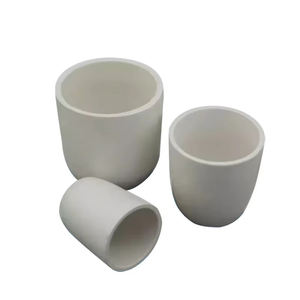
Coarse grit sizes (12–30) are used for heavy material removal, shaping, and rough grinding. These large particles cut quickly and are ideal for removing paint, rust, or weld seams. They are commonly found on grinding wheels, belts, and discs for metalworking, woodworking, and masonry, as well as in water filtration systems using alumina foam filter for water filtration. Expect a rough surface finish that requires subsequent finer grits for smoothing.
Medium Grit Sizes and Their Applications
Medium grit sizes (36–80) are used for general-purpose grinding, deburring, and blending. They are effective on metals, plastics, and wood, balancing cutting speed and surface quality. Commonly found in sanding discs, flap wheels, and coated abrasives, they serve as an intermediate stage, removing scratches from coarse sanding and preparing the surface for finer grits.
Fine Grit Sizes and Their Applications
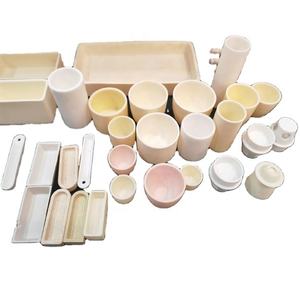
Fine grit sizes (100–220) are used for finishing and smoothing surfaces. They produce a relatively smooth finish suitable for final sanding before painting, coating, or polishing. Common in sandpaper, sanding sponges, and fine grinding wheels, they remove minimal material and create a consistent surface texture. In metalworking, they refine surface roughness and prepare for buffing or polishing. In woodworking, they remove fine scratches from medium sanding.
Ultra-Fine Grit Sizes and Their Applications
Ultra-fine grit sizes (240 and above) are used for precision finishing, polishing, and achieving a mirror-like surface. These very fine particles remove microscopic amounts of material and are commonly used in automotive refinishing, optical lens grinding, and electronics manufacturing. They are found in lapping compounds, polishing sheets, and micro-mesh pads. Careful technique is required to avoid uneven surfaces, and they are typically used after fine grits to achieve the highest smoothness. For ceramic or stone polishing, ultra-fine grits are essential for a high-gloss finish.
How to Choose the Right Aluminium Oxide Grit Size
Selecting the appropriate aluminium oxide grit size depends on the material, desired surface finish, and process stage. For initial stock removal on hard materials, coarse grits (12–30) are recommended. For general shaping and deburring, medium grits (36–80) work well. For finishing and smoothing, fine grits (100–220) are suitable. For polishing and ultra-smooth finishes, ultra-fine grits (240 and above) are necessary. In laboratory settings, the choice between alumina crucible vs alumina boat can affect performance. Also consider the abrasive tool type (e.g., wheel, belt, disc) and equipment speed. Always follow the manufacturer's recommendations for the specific operation. Test on a small area to determine the optimal grit sequence.
Frequently asked questions
What is the difference between coarse and fine aluminium oxide grit?
Coarse grit (e.g., 12–30) has larger particles that remove material quickly but leave a rough surface. Fine grit (e.g., 100–220) has smaller particles that remove less material and produce a smoother surface. The choice depends on whether you need rapid stock removal or a fine finish.
Can I use the same aluminium oxide grit for different materials?
While aluminium oxide is versatile and works on metals, wood, and plastics, the optimal grit size varies by material. Harder materials may require coarser grits for initial cutting, while softer materials benefit from finer grits to avoid excessive wear or damage. Always test on a small area first.
How should I store aluminium oxide abrasive products?
Store aluminium oxide abrasives in a dry, cool environment away from moisture and extreme temperatures. Keep them in their original packaging or sealed containers to prevent contamination. Avoid stacking heavy items on top of abrasive discs or belts to maintain their shape.
What safety precautions should I take when using aluminium oxide abrasives?
Always wear appropriate personal protective equipment, including safety glasses, dust masks, and gloves. Use proper ventilation to avoid inhaling dust. Ensure the abrasive tool is rated for the speed and grit size you are using. Follow manufacturer instructions for safe operation.
Supplier
Alumina Technology Co., Ltd focus on the research and development, production and sales of aluminum oxide powder, aluminum oxide products, aluminum oxide crucible, etc., serving the electronics, ceramics, chemical and other industries. Since its establishment in 2005, the company has been committed to providing customers with the best products and services.
RELATED POSTS
Alumina Ceramic Baking Dishes Are Revolutionizing High-Temperature Culinary Innovation
Discover the Versatility of Alumina Ceramic Baking Dishes and More
Alumina Ceramic Baking Dishes Are Revolutionizing High-Temperature Laboratory Sample Preparation
5 Common Problems (and Fixes) for Your Alumina Ceramic Baking Dish—Before It Ends Up in the Trash
7 Key Differences Between Alumina Ceramic Baking Dishes and Traditional Cookware You Need to Know
