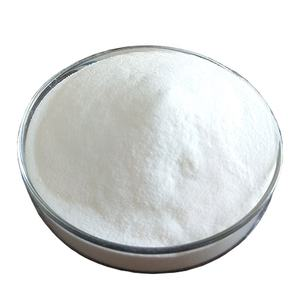
Professional Premium Aluminum Oxide Products Supplier

Key takeaways
- Aluminium oxide is primarily produced from bauxite ore using the Bayer process.
- The process involves crushing, digestion with caustic soda, clarification, precipitation, and calcination.
- Digestion dissolves aluminium minerals at high temperature and pressure, leaving behind red mud.
- Precipitation forms aluminium hydroxide crystals, which are then calcined to produce alumina.
- The Bayer process is efficient and allows recycling of caustic soda and seed crystals.
What Is the Process for Producing Aluminium Oxide from Bauxite Ore?
Aluminium oxide (alumina) is produced from bauxite ore through the Bayer process. The ore is crushed and ground, then digested with hot, concentrated sodium hydroxide under high pressure and temperature. The resulting sodium aluminate solution is separated from insoluble impurities, cooled, and seeded to precipitate aluminium hydroxide. Calcination at high temperature removes water, yielding pure aluminium oxide powder.
The Bayer process accounts for over 95% of global alumina production. Patented in 1888 by Karl Josef Bayer, it remains the most efficient route for extracting alumina from bauxite. The process selectively dissolves aluminium minerals in caustic soda, leaving behind iron, silicon, and titanium impurities.
| Key Step | Description |
|---|---|
| Mining & Preparation | Bauxite is crushed and ground to form a slurry with caustic soda. |
| Digestion | Aluminium minerals dissolve in hot NaOH under pressure, forming sodium aluminate. |
| Clarification | Red mud (insoluble impurities) is settled and filtered out. |
| Precipitation | Aluminium hydroxide crystals are precipitated by seeding and cooling. |
| Calcination | Aluminium hydroxide is heated to remove water, yielding pure Al₂O₃ powder. |
| Recycling | Caustic soda and seed crystals are recycled to minimize waste and cost. |
Step 1: Bauxite Mining and Preparation
Bauxite is mined from open-pit mines. After extraction, the ore is crushed and ground to increase surface area. The particle size is usually reduced to a few millimeters to facilitate efficient digestion. Large rocks, clay, and vegetation are removed during this stage.
The ground bauxite is mixed with recycled caustic soda solution to form a slurry. This slurry is preheated before entering the digestion stage. This preparation step maximizes alumina yield and minimizes energy consumption.
Step 2: Digestion – Dissolving Aluminium Minerals
The bauxite slurry is pumped into large pressure vessels called digesters. It is mixed with concentrated sodium hydroxide (NaOH) and heated to 140–270°C, depending on the bauxite type. The high temperature and pressure selectively dissolve aluminium minerals like gibbsite and boehmite, forming sodium aluminate (NaAl(OH)₄) solution.
The chemical reaction for gibbsite is: Al(OH)₃ + NaOH → NaAl(OH)₄. Boehmite requires higher temperature for dissolution. The insoluble impurities (mainly iron oxides, silica, and titanium dioxide) remain solid and are later separated. Digestion time ranges from 30 minutes to several hours.
Step 3: Clarification – Removing Impurities
After digestion, the hot slurry is cooled and passed through settlers and filters. The insoluble solids (red mud) settle at the bottom. Red mud consists primarily of iron oxides, silica, and other impurities. It is removed and disposed of in impoundments or dried for storage.
The clear sodium aluminate liquor is passed through pressure filters to remove remaining fine solids. The clarified solution is ready for precipitation. The red mud is washed to recover residual caustic soda, which is recycled back into the process.
Step 4: Precipitation – Forming Aluminium Hydroxide
The clarified sodium aluminate solution is cooled and seeded with fine aluminium hydroxide (Al(OH)₃) crystals. Seeding initiates precipitation, where aluminium hydroxide crystallizes out of the solution. Precipitation occurs in large, stirred tanks over several hours to days.
The chemical reaction is the reverse of digestion: NaAl(OH)₄ → Al(OH)₃ + NaOH. The precipitated aluminium hydroxide crystals are classified by size; larger crystals are collected as product, smaller ones are recycled as seed. The mother liquor, rich in caustic soda, is recycled to the digestion stage.
Step 5: Calcination – Converting to Aluminium Oxide
The aluminium hydroxide crystals are washed, filtered, and fed into a rotary kiln or fluidized bed calciner. They are heated to 960–1100°C. This high-temperature treatment removes chemically bound water, transforming the hydroxide into aluminium oxide (Al₂O₃).
The reaction is: 2 Al(OH)₃ → Al₂O₃ + 3 H₂O. The resulting alumina is a white, free-flowing powder with high purity. The calcination process also determines physical properties like surface area and particle size, important for different applications. Hot exhaust gases preheat the incoming material, improving energy efficiency.
Key Properties and Uses of Aluminium Oxide
Aluminium oxide is a hard, chemically inert ceramic with a high melting point, and its aluminium oxide properties make it essential in manufacturing. It is used in aluminium metal production via electrolysis (Hall–Héroult process), as an abrasive where selecting the right aluminium oxide grit size is important, in refractory materials, and as a catalyst support. Purity and particle size distribution can be tailored by adjusting process conditions.
Global demand for aluminium oxide is driven by the aluminium industry, which consumes about 90% of production. Other applications include ceramics, electronics, and wear-resistant components such as alumina plate for wear-resistant tiles. The Bayer process remains the most economical method for producing high-volume alumina.
Frequently asked questions
What is bauxite ore?
Bauxite is a sedimentary rock rich in aluminium minerals, such as gibbsite, boehmite, and diaspore. It is the primary raw material for producing aluminium oxide and ultimately aluminium metal.
Why is the Bayer process used for alumina production?
The Bayer process selectively dissolves aluminium minerals from bauxite using caustic soda, leaving behind impurities like iron oxides. It is cost-effective, scalable, and produces high-purity alumina for aluminium smelting and other applications.
What is red mud and how is it handled?
Red mud is the insoluble residue from the Bayer process, containing iron, silicon, and titanium compounds. It is typically stored in impoundments or dried for disposal. Research is ongoing to find beneficial uses for red mud, such as in construction materials.
What are the main uses of aluminium oxide?
Aluminium oxide is used primarily as a feedstock for aluminium metal production via electrolysis. It is also used as an abrasive, in refractory materials, ceramic components, catalyst supports, and in electronics for its insulating and thermal properties.
Supplier
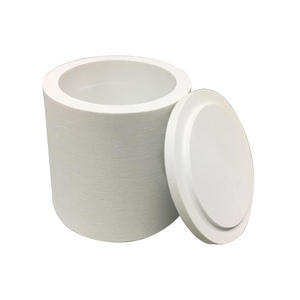
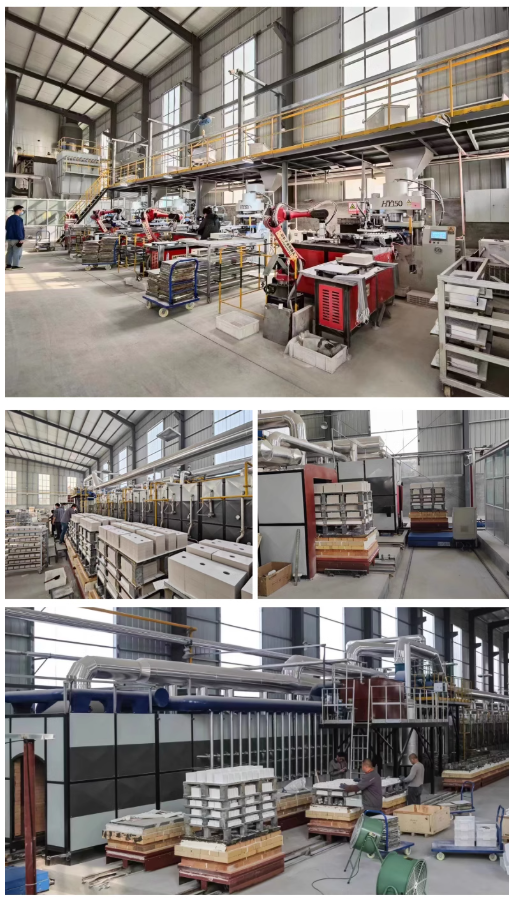
Alumina Technology Co., Ltd focus on the research and development, production and sales of aluminum oxide powder, aluminum oxide products, aluminum oxide crucible, etc., serving the electronics, ceramics, chemical and other industries. Since its establishment in 2005, the company has been committed to providing customers with the best products and services.
RELATED POSTS

What Makes Alumina Ceramic Baking Dishes Superior for Oven Use?

What Is an Alumina Ceramic Baking Dish and Why Is It Gaining Popularity in Modern Kitchens?
What Is an Alumina Ceramic Baking Dish and Why Is It Gaining Popularity in Modern Kitchens?
How to Use and Care for Your Alumina Ceramic Baking Dish: A Practical Guide
Choose the Right Alumina Ceramic Baking Dish for Your Kitchen