Professional Premium Aluminum Oxide Products Supplier

Key takeaways
- Aluminium oxide purity directly affects material performance in abrasives, ceramics, electronics, and refractories.
- Common purity grades range from standard (95–99 %) to ultra-high (99.99 %+), each suited to different applications.
- XRF provides fast elemental screening; ICP‑OES delivers precise trace impurity quantification.
- Interpreting test results requires checking both the Al₂O₃ percentage and the impurity profile against the application's requirements.
- Combining elemental analysis (XRF/ICP) with phase analysis (XRD) gives a complete understanding of aluminium oxide quality.
What Is Aluminium Oxide Purity and Why Does It Matter?
Aluminium oxide purity refers to the percentage of Al₂O₃ in a material; the remainder consists of trace impurities such as silica, iron oxide, sodium oxide, or other elements. This ratio directly determines the material's chemical stability, hardness, thermal resistance, and electrical insulation. For industries relying on alumina — from abrasives and refractories to advanced ceramics and electronics — knowing the exact purity level is essential for predicting performance under specific conditions.
Low-purity aluminium oxide may contain enough contaminants to weaken its mechanical strength or cause unwanted reactions in high-temperature or high-voltage environments. Conversely, ultra-high-purity grades deliver consistent, predictable behaviour. Purity is not just a number; it is a proxy for the material's fitness for a given application.
This article addresses the most frequently asked questions about aluminium oxide purity grades, measurement methods, and how to interpret test results. Understanding these basics helps buyers and quality professionals select the right material and verify that it meets their requirements.

Common Purity Grades and Their Typical Applications
Aluminium oxide is available in a broad spectrum of purity levels. Standard grades often range from 95 % to 99 % Al₂O₃ and are widely used in abrasive blasting, sandpaper, and general refractory linings. The small amounts of impurities in these grades are generally acceptable for applications where extreme thermal or chemical resistance is not critical. For those working with abrasives, a comprehensive reference on aluminium oxide grit sizes offers detailed application guidance.
High-purity grades typically contain 99.5 % to 99.9 % Al₂O₃. These are common in technical ceramics, wear-resistant components, and spark plug insulators. Ultra-high-purity aluminium oxide (99.99 % and above) is required for semiconductor manufacturing, high-performance substrates, and optical components where even parts-per-million contaminants can alter electrical or optical properties. When selecting blast media for high-purity applications, a comparison of aluminium oxide vs garnet can clarify performance and cost differences.
Choosing the correct grade depends on the use case. No single purity is best; the right choice balances cost, required performance, and processing constraints. When in doubt, consulting the supplier's datasheet and performing independent testing can confirm whether the material meets the expected specification. The remarkable aluminium oxide hardness helps explain why it is one of the top choices for demanding engineered applications.

Key Testing Methods for Aluminium Oxide Purity
Several analytical techniques are used to determine aluminium oxide purity. X‑ray fluorescence (XRF) is a fast, non‑destructive method that provides elemental composition. It is widely used for incoming material inspection because it can screen multiple elements simultaneously. For more precise quantification of trace impurities, inductively coupled plasma optical emission spectroscopy (ICP‑OES) is the standard. This method dissolves the sample and measures element concentrations down to parts per billion.
X‑ray diffraction (XRD) complements elemental analysis by identifying crystalline phases. It can reveal whether the material is predominantly alpha‑alumina or contains unwanted phases such as gamma‑ or theta‑alumina, which may affect performance in certain applications. Thermogravimetric analysis (TGA) and loss on ignition (LOI) tests also help assess volatiles or hydrated species.
The testing method depends on the required accuracy, budget, and sample type. For routine quality control, XRF may suffice; for qualification of new suppliers or critical applications, ICP‑OES and XRD are often combined to give a full picture of both chemistry and phase composition.

How to Interpret Purity Test Results
A typical aluminium oxide test report lists the percentage of Al₂O₃ followed by individual impurity elements. The sum of Al₂O₃ plus all measured impurities should be approximately 100 %. If the total is significantly lower, it may indicate that some elements were not analysed (such as carbon or oxygen in a different form) or that the sample contains moisture or unmeasured phases.
When evaluating results, consider both the Al₂O₃ content and the specific impurity levels. For example, in a high-purity grade intended for electronic applications, even 0.01 % sodium may be unacceptable because it can migrate under electric fields. For abrasives, a slightly higher iron oxide content may be tolerable as long as the hardness remains adequate.
Testing laboratories often follow standard methods such as those from ISO or ASTM, though specific numbers should be requested from the testing provider. If the results fall outside the expected range, the first step is to verify sampling and sample preparation — contamination during handling is a common source of error. Retesting or using a different method may help isolate the issue.

Frequently asked questions
How is aluminium oxide purity defined?
Purity is defined as the mass percentage of aluminium oxide (Al₂O₃) in the material. The remainder consists of other elements present as oxides or compounds. Purity is usually determined by measuring the Al₂O₃ content and the concentration of major impurities such as silicon, iron, sodium, calcium, and magnesium.
What is the difference between high purity and standard purity aluminium oxide?
Standard purity grades (around 95–99 %) contain noticeable levels of impurities that are acceptable for abrasive blasting, refractories, and general industrial use. High-purity grades (99.5 % or higher) have much lower impurity levels, making them suitable for technical ceramics, electronic substrates, and optical components where contaminants could degrade performance.
Which testing method is most accurate for trace impurities?
Inductively coupled plasma optical emission spectroscopy (ICP‑OES) is considered the most accurate for quantifying trace impurities down to parts per billion. For rapid screening of major elements, X‑ray fluorescence (XRF) is widely used. A combination of both methods often provides the best balance of speed and precision.
Why does purity matter in abrasive applications?
In abrasive blasting or grinding, higher purity aluminium oxide generally means fewer soft impurities that could reduce cutting efficiency or cause premature breakdown of abrasive particles. However, for many abrasive jobs, standard grades (≈95–99 %) offer sufficient performance at a lower cost. The choice depends on the required finish and substrate hardness.
How often should purity testing be performed?
Testing frequency depends on the criticality of the application and the consistency of the supply chain. For routine quality control, many manufacturers test each production batch or incoming lot. For high‑reliability applications, additional testing may be performed on every shipment. Always verify with your supplier or qualified laboratory for specific recommendations.
Supplier
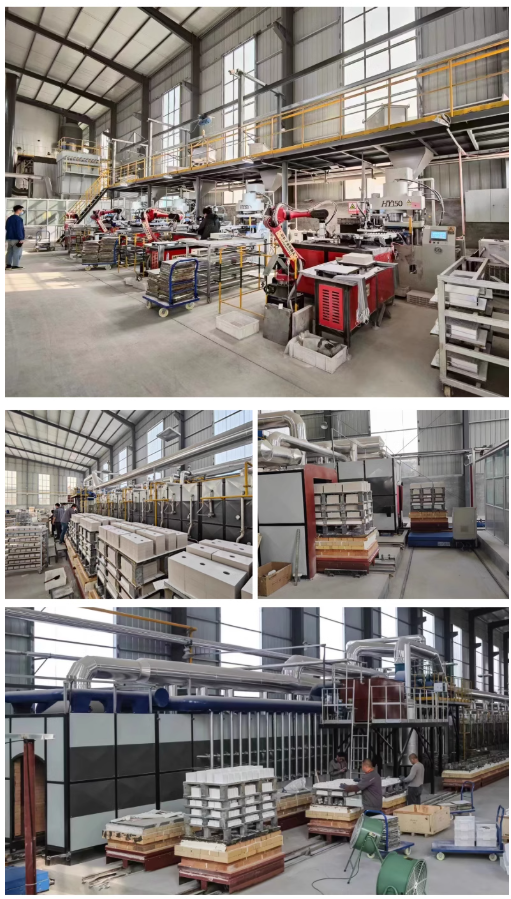
Alumina Technology Co., Ltd focus on the research and development, production and sales of aluminum oxide powder, aluminum oxide products, aluminum oxide crucible, etc., serving the electronics, ceramics, chemical and other industries. Since its establishment in 2005, the company has been committed to providing customers with the best products and services.
RELATED POSTS
Alumina Ceramic Baking Dishes: A Comprehensive Analysis of Performance, Types, and Applications

7 Surprising Truths About Alumina Ceramic Baking Dishes (And Why Your Oven Will Thank You)
How to Use and Care for Your Alumina Ceramic Baking Dish: A Practical Guide
Alumina Ceramic Baking Dishes Offer Unmatched Heat Resistance and Versatility in Modern Kitchens
Alumina Ceramic Baking Dishes: The Ultimate Guide to Performance, Versatility, and Safety