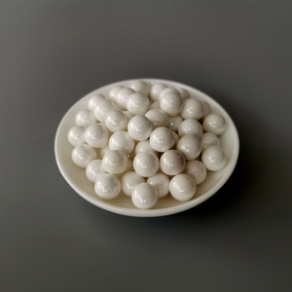
Professional Premium Aluminum Oxide Products Supplier

Alumina ceramic blocks are advanced engineering ceramics that are made of the highest purity aluminum oxide (Al2O3) with advanced powder metallurgy and high temperature Sintering techniques, which provide incredible mechanical durability and wear resistance, as well as thermal stability and electrical isolation. These properties have made them the most popular material in a myriad of industrial applications. This article will provide an overview of the characteristics of their manufacturing process and the most important applications, with detailed technical information, which can help you in choosing the best material for your needs.
1. Introduction: Why Choose Alumina Ceramic Blocks?
Modern manufacturing and engineering present constant material performance challenges, stretching traditional metals and plastics beyond their limits in environments with extreme temperatures, pressure, abrasion, and corrosion agents. Alumina Ceramic Blocks have emerged as a reliable, durable, and cost-efficient solution; their presence is found everywhere from semiconductor fabrication and chemical machinery through medical devices and defense technology, earning them the title “the skeleton of industry”.
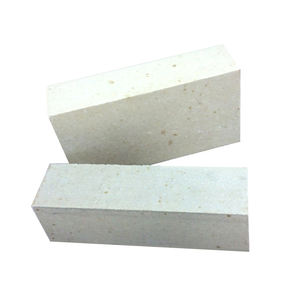
2. Key Properties and Advantages of Alumina Ceramic Blocks
Alumina ceramic blocks boast exceptional performance thanks to their distinctive microstructure and chemical makeup:
Extreme Hardness and Wear Resistance: Boasting Mohs hardness ratings up to 9 (second only to diamond), ceramic components offer exceptional wear resistance against long-term particle abrasion and mechanical friction, significantly outlasting metal components in terms of wear resistance.
Excellent Mechanical Strength: These materials exhibit outstanding compressive strength but tend to have lower flexural and tensile strengths than their brittle counterparts, thus making them vulnerable. This limitation can be addressed through structural design optimization or machining optimization techniques.
Superior Corrosion Resistance: Our materials offer outstanding corrosion resistance against acids, alkalis, and organic solvents – ideal for use in chemical processing environments that feature harsh environments.
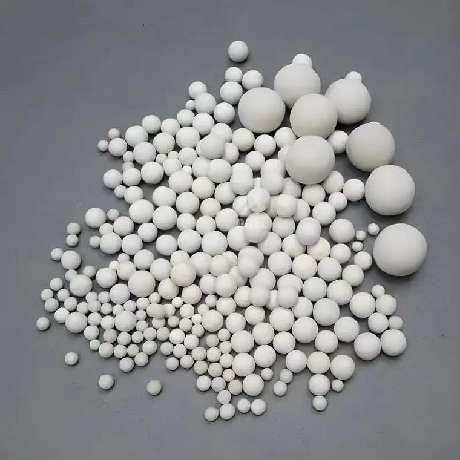
Outstanding Electrical Insulation: High volume resistivity and low dielectric loss make these materials perfect for electronic insulators and substrate materials.
Outstanding Thermal Properties: With an impressive melting point (over 2050 °C), excellent thermal stability, and a relatively low coefficient of thermal expansion, their thermal properties make them suitable for high-temperature applications.
Biocompatibility: High-purity alumina ceramics exhibit excellent biocompatibility and are widely utilized in medical fields like dental implants and joint replacements.
3. Brief Overview of Manufacturing Process
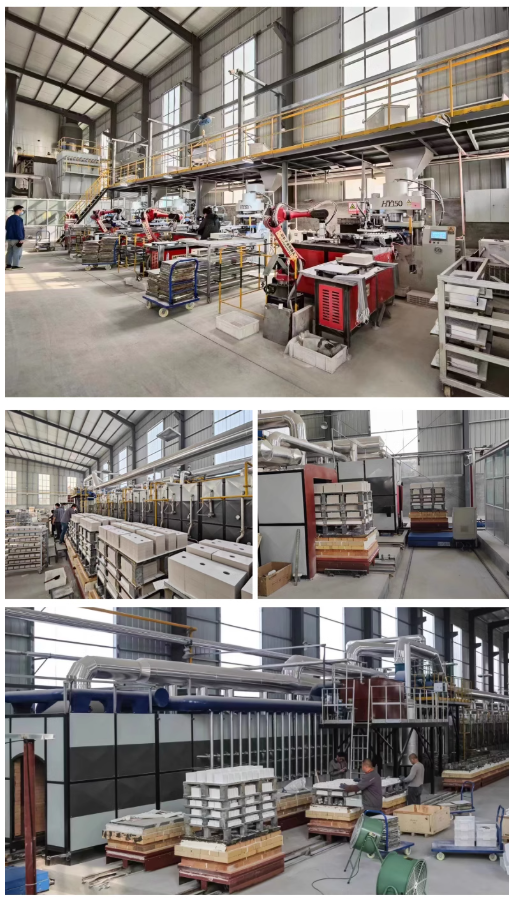
1. Powder Prep. As part of this step, high-purity alumina powder (typically 92% to over 99.9% pureness) is chosen as the raw material.
2. Forming: Forming techniques such as dry pressing, isostatic pressing, injection molding, or slip casting can be employed to form powder into a “green” body of desired form.
3. Sintering: After shaping, green bodies are placed into high-temperature tunnel kilns or shuttle kilns for firing at temperatures between 1600 °C and 1800 °C to promote diffusion between particles, creating dense microstructures with superior mechanical and physical properties.
4. Primary Application Areas of Alumina Ceramic Blocks
Industrial Wear-Resistant Components: Pump seals, nozzles, liners, guide rollers, cutting tools for mining, mineral processing, and powder processing industries.
Electronics & Semiconductor: Integrated circuit substrates, insulating sleeves, vacuum feedthroughs, electrostatic chucks.
Chemical & Medical: Corrosion-resistant linings, valve components, grinding media, artificial joints, dental abutments.
Energy & Environmental Protection: Thermocouple protection tubes, sensor housings, abrasion-resistant linings, catalyst supports.
Defense & Aerospace: Armor materials, radomes, high-temperature viewports.
5. Technical Parameters and Selection Data Table
Selecting the appropriate grade of Alumina Ceramic Block is crucial and depends on specific application requirements. The table below compares typical properties of alumina ceramics with different purity levels:
| Property / Characteristic | 96% Alumina (Al₂O₃) | 99% Alumina (Al₂O₃) | 99.5% Alumina (Al₂O₃) | Test Standard / Notes |
|---|---|---|---|---|
| Physical Properties | ||||
| Density (g/cm³) | 3.70 – 3.75 | 3.85 – 3.90 | 3.90 – 3.97 | ASTM B962 |
| Color | Ivory White | White | Off-White / White | – |
| Mechanical Properties | ||||
| Vickers Hardness (HV0.5) | 1,400 – 1,600 | 1,600 – 1,750 | 1,700 – 1,900 | ASTM C1327 |
| Flexural Strength (MPa) | 300 – 350 | 350 – 400 | 380 – 450 | ASTM C1161 |
| Compressive Strength (MPa) | 2,200 – 2,600 | 2,500 – 3,000 | 2,800 – 3,500 | ASTM C773 |
| Fracture Toughness K1c (MPa·m¹/²) | 3.5 – 4.0 | 4.0 – 4.5 | 4.0 – 4.5 | – |
| Thermal Properties | ||||
| Max. Service Temperature (°C) | 1,500 | 1,600 | 1,650 | Wear liners, nozzles, seal rings, and insulators |
| Thermal Conductivity (W/m·K) | 20 – 25 | 25 – 30 | 28 – 35 | @ 25°C, ASTM D7984 |
| Coefficient of Thermal Expansion (×10⁻⁶/K) | 7.2 – 7.8 | 7.5 – 8.0 | 7.6 – 8.2 | 25-800°C, ASTM E228 |
| Electrical Properties | ||||
| Volume Resistivity (Ω·cm) | >10¹⁴ | >10¹⁴ | >10¹⁵ | @ 25°C, ASTM D257 |
| Dielectric Strength (kV/mm) | 10 – 15 | 15 – 20 | 17 – 25 | ASTM D149 |
| Chemical Properties | ||||
| Corrosion Resistance | Excellent (Resists strong acids, alkalis; except HF) | Superior | Optimal | – |
| Typical Application Suggestions | Higher-demand mechanical parts, electronic substrates, and precision components | Higher-demand mechanical parts, electronic substrates, precision components | High-performance semiconductor parts, advanced labware, high-end medical implants, high-purity environments | Higher purity generally offers better performance at a correspondingly higher cost. |
6. How to Select an Appropriate Alumina Ceramic Blocks
1. Define the Application Environment: Take time to carefully consider temperature, pressure, wear type, contacting media type, and electrical requirements in the application environment.
2. Determine Key Performance Needs: Whether wear resistance is the primary goal, corrosion resistance, insulation, electrical insulation, or thermal stability are all performance criteria need to be assessed as part of this analysis.
3. Consult the Data Table: Use this table to select an initial purity grade that fulfills performance criteria. 4. Evaluate Machinability: High-purity alumina can be harder and more expensive to machine (grind, drill, and cut).
5. Compare Cost vs Performance: 96% alumina typically offers the optimal cost/performance ratio in industrial wear applications; for more stringent or precise applications, however, consider purities of 999% or 99.5%+ purity.
6. Consult a Specialist Supplier: Work with an experienced technical supplier who can offer selection advice, custom design services, and machining solutions.
7. Conclusion
Alumina Ceramic Blocks have long been recognized for their impressive combination of properties, making them essential components in multiple high-tech and heavy industrial sectors. As such, understanding their specific characteristics and grade differences is vital in successfully integrating them into product designs, solving engineering challenges, and prolonging equipment reliability and service life.
Supplier
Alumina Technology Co., Ltd focus on the research and development, production and sales of aluminum oxide powder, aluminum oxide products, aluminum oxide crucible, etc., serving the electronics, ceramics, chemical and other industries. Since its establishment in 2005, the company has been committed to providing customers with the best products and services. If you are looking for high quality alumina ceramic blocks, please feel free to contact us.
RELATED POSTS

Alumina Ceramic Baking Dishes: Performance, Varieties, and Practical Uses in Modern Kitchens
High Purity 99% Al2O3 Ceramic Blocks and Bricks: Essential Properties and Industrial Applications

How Are “Alumina Ceramic” Rods Made
Discover the Versatility and Benefits of Alumina Ceramic Baking Dishes
How to Use and Care for Your Alumina Ceramic Baking Dish Like a Pro