Professional Premium Aluminum Oxide Products Supplier

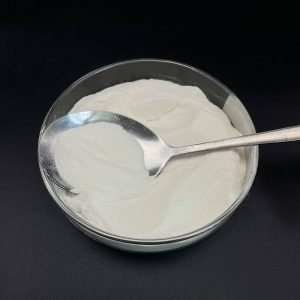
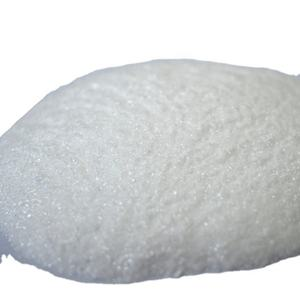
Lanthanum aluminate powder, with the chemical formula LaAlO₃ and commonly abbreviated as LAO, is a high-performance rare-earth-based ceramic oxide that has become an essential material in many advanced technology sectors. As a member of the perovskite oxide family, it combines a stable rhombohedral distorted perovskite crystal structure, exceptional high-temperature resistance, strong dielectric performance,ce and good chemical inertness—properties that make it irreplaceable in high-precision and extreme-environment applications. Unlike conventional ceramic materials, LAO’s unique combination of physical and chemical characteristics allows it to adapt to the increasingly strict requirements of modern advanced manufacturing, supporting product innovation and performance improvement across semiconductor manufacturing, optical components, electronic devices,ces, and high-temperature structural materials.
1. Core Material Properties of LaAlO₃
The performance of lanthanum aluminate powder is defined by a set of stable and predictable physical and chemical characteristics that make it suitable for use in extreme and high-precision environments. These properties are consistent across batches and maintain stability under standard industrial processing conditions—including high-temperature sintering, thin-film deposition, and long-term exposure to harsh environments—ensuring reliability in mass production and end-use applications. For global manufacturers, this consistency is critical, as it eliminates the risk of product defects caused by material property fluctuations and reduces production costs associated with rework and quality control.
1.1 Crystal Structure and Compatibility
At the structural level, LAO features a rhombohedral distorted perovskite structure with a pseudocubic lattice parameter of approximately 3.787 Å at room temperature, which is closely matched to many other functional oxides used in advanced electronics. This specific lattice arrangement enables excellent compatibility with many other perovskite oxides, superconducting materials (such as YBa₂Cu₃O₇₋ₓ), ferroelectric films (like Pb(Zr, Ti)O₃), and magnetic thin films, making it an ideal substrate and buffer layer material for epitaxial growth. Lattice matching is critical in thin-film epitaxy because it reduces the formation of defects (such as dislocations and grain boundaries), improves layer adhesion,n and enhances the overall reliability and performance of electronic and optoelectronic devices. Without this level of structural compatibility, many advanced thin-film systems would suffer from high defect densities, poor electrical performance, reduced thermal stability, and shortened service life—issues that can lead to significant losses in high-tech manufacturing.
1.2 Thermal Stability
Thermally, lanthanum aluminate powder exhibits outstanding stability under high-temperature conditions, which is a key advantage over many conventional ceramic materials. With a melting point of approximately 2080 °C, it maintains its structural integrity and chemical stability at temperatures that would degrade or decompose materials like alumina (melting point 2072 °C) and zirconia (melting point 2715 °C, but prone to phase changes at lower temperatures). This thermal stability ensures consistent performance during high-temperature sintering (typically 1400–1600 °C for ceramic fabrication), thin-film deposition (which often involves high-temperature annealing steps), and long-term operation in thermal environments, such as industrial furnaces and aerospace engine components. LAO also shows low thermal conductivity variation under repeated heating and cooling cycles, which reduces the risk of thermal stress, cracking,g or deformation in components exposed to fluctuating temperatures— a common challenge in high-temperature applications. These properties make LAO particularly valuable for applications such as thermal barrier coatings (TBCs) for aviation and industrial engines, high-temperature electronics (including sensors and power devices). and refractory ceramic components that must maintain performance in harsh thermal conditions.
1.3 Dielectric and Electrical Performance
In terms of electrical performance, lanthanum aluminate powder possesses a balanced combination of dielectric properties that support its use in advanced electronic systems. It has a relative dielectric constant of around 25 (measured at 1 MHz), which is higher than many conventional insulating materials (such as alumina, with a dielectric constant of ~9) and lower than high-κ materials like hafnia (~20–25), making it ideal for applications that require a balance of insulation and signal transmission. Additionally, LAO exhibits low leakage current (typically less than 10⁻⁹ A/cm² at room temperature), high breakdown strength (exceeding 10 MV/, cm), and low dielectric loss (tanδ < 0.001 at 1 MHz), which are critical for high-frequency and high-speed electronic devices. LAO also demonstrates good compatibility with silicon substrates and other oxide layers (such as SiO₂ and HfO₂), which simplifies integration into standard semiconductor manufacturing processes—eliminating the need for specialized surface treatment or adhesion promoters. As a result, it is widely used in high-κ dielectric applications, CMOS gate insulators, microwave communication components (including antennas and filters), and high-performance capacitors, where stable electrical performance is essential for device reliability and efficiency.
1.4 Mechanical and Chemical Stability
Beyond thermal and electrical properties, lanthanum aluminate powder offers strong mechanical and chemical stability, further expanding its application range. It has a Vickers hardness of approximately 1200 HV, which is higher than alumina ( ~1000 HV) and zirconia ( ~1100 HV), providing sufficient mechanical strength to resist mechanical shock and abrasion—making it suitable for durable structural components and protective coatings. Chemically, LAO is inert to most acids (including hydrochloric acid, sulfuric acid, and nitric acid at room temperature), alkalis (such as sodium hydroxide and potassium hydroxide), and organic solvents (including ethanol, acetic,ne, and toluene), which enhances its resistance to corrosion and environmental degradation. It maintains its performance in humid or chemically aggressive environments (such as industrial chemical processing plants and marine applications) where many other materials would experience oxidation, dissolution, ion, or surface degradation. When properly processed and sintered (with a relative density of over 98%), LAO ceramics also exhibit good optical transparency from the ultraviolet (UV, ~250 nm) to the near-infrared (NIR, ~2000 nm) region, with a transmittance of over 80% in the visible spectrum—expanding its use into optical and optoelectronic systems that require both transparency and mechanical robustness.
2. Industrial Applications of LaAlO₃
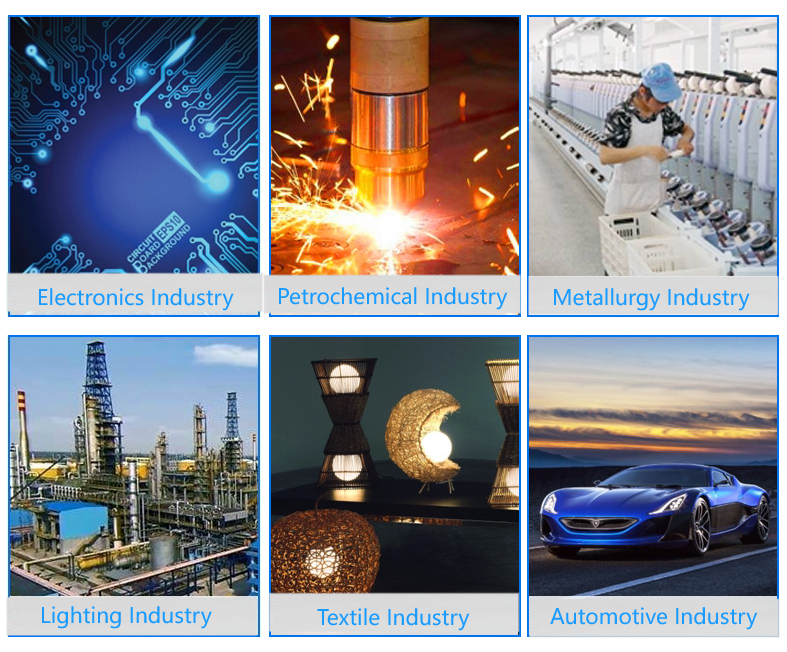
Lanthanum aluminate powder plays an indispensable role in a wide range of high-growth industrial sectors due to its unique combination of properties. Its versatility and reliability make it a preferred material for advanced manufacturing, where performance and consistency are critical to product success. As global industries continue to advance toward miniaturization, high efficiency,ency and sustainability, the demand for LAO powder is growing rapidly—particularly in semiconductor, op, tical and aerospace sectors. Below are the key industrial applications where LAO powder delivers significant value, along with specific use cases and performance benefits.
2.1 Semiconductor and Thin-Film Electronics
In the semiconductor and thin-film electronics industry, LAO is one of the most important supporting materials for epitaxial thin-film growth, a key process in the fabrication of advanced microchips, sensors,ensors and optoelectronic devices. It is widely used as a substrate material for superconducting films (such as YBa₂Cu₃O₇₋ₓ), ferroelectric films (like Pb(Zr, Ti)O₃ and BaTiO₃), and magnetic thin films (including La₀.₇Sr₀.₃MnO₃), where lattice matching directly determines film quality and device performance. For example, in high-temperature superconducting (HTS) tapes, LAO substrates provide the necessary lattice compatibility to grow high-quality HTS films with low defect densities, enabling the development of high-efficiency power transmission and magnetic resonance imaging (MRI) systems. LAO also serves as a high-κ gate dielectric in advanced CMOS chips and microelectronic devices, improving insulation performance while enabling device miniaturization—critical for meeting the demands of 5G, 6G, and artificial intelligence (AI) applications. In microwave and radio-frequency (RF) communication systems, LAO-based components (such as dielectric resonators and filters) provide stable insulating and dielectric functions that support signal transmission efficiency and device reliability, even at high frequencies (up to 100 GHz). As semiconductor manufacturing continues to move toward smaller feature sizes (below 5 nm) and higher performance, the demand for high-quality lanthanum aluminate powder continues to increase.
2.2 Optical Ceramics and Optoelectronic Devices
In optical ceramics and optoelectronic devices, sintered lanthanum aluminate components offer high transparency, mechanical durability,ity and environmental stability—properties that make them superior to many conventional optical materials (such as glass and single-crystal sapphire) in harsh environments. These characteristics make them suitable for optical windows used in lasers (including solid-state lasers and fiber lasers), sensors (such as infrared sensors and temperature sensors), and monitoring equipment (used in industrial process control and environmental monitoring). LAO optical windows are particularly valuable in high-temperature and high-pressure environments, where glass windows would crack or degrade. LAO ceramics can also be used in transparent armor applications (such as military vehicles and aerospace components) and durable optical components (including lenses and prisms) that require resistance to physical impact and environmental exposure. In LED and display technology, LAO contributes to improved stability and light transmission efficiency—serving as a substrate or protective layer for LED chips, supporting the development of brighter, more reliable,e and longer-lasting display systems (such as OLED and micro-LED displays). Its balanced optical and mechanical properties set it apart from many conventional optical materials that struggle to maintain transparency and durability in challenging environments.
2.3 Advanced Ceramics and High-Temperature Components
Within advanced ceramics and high-temperature structural applications, lanthanum aluminate powder enhances the performance of ceramic components used in extreme environments—where thermal stability, mechanical strength,th and corrosion resistance are critical. It is used in the production of high-temperature refractory ceramics that maintain stability in industrial furnaces (such as glass melting furnaces and metal smelting furnaces), energy systems (including nuclear reactors and solar thermal power plants), ts) and aerospace applications (such as rocket nozzles and turbine blades). As a component in thermal barrier coatings (TBCs) for aviation and industrial engines, LAO improves heat insulation (reducing heat transfer to underlying metal components) and protects engine components from thermal damage—extending engine service life by up to 50% and improving fuel efficiency. LAO is also incorporated into wear-resistant and corrosion-resistant ceramic parts for industrial machinery (such as pump components, valves, and bearings), chemical processing equipment (including reactors and pipelines), and mechanical systems that operate under harsh conditions (high temperature, high pressure, and corrosive media). When used in composite ceramic materials (mixed with alumina, zirconia, or silicon carbide), it enhances overall thermal stability, mechanical sstrengthh and resistance to environmental degradation—extending the service life of critical components and reducing maintenance costs.
3. Processing Compatibility
Lanthanum aluminate powder is compatible with a wide range of conventional and advanced industrial processing methods, allowing customers to integrate it into existing production lines with minimal adjustments—reducing capital investment and production downtime. In ceramic sintering applications, LAO powder can be pressed (using dry pressing, isostatic pressing, or tape casting) and sintered into dense, high-performance ceramic components using standard high-temperature furnaces (such as electric furnaces and gas-fired furnaces) at temperatures between 140 and 1600 °C. The addition of small amounts of sintering aids (such as MgO or Y₂O₃) can further reduce the sintering temperature and improve the density of the final ceramic product. For thin-film deposition, LAO is compatible with all major coating techniques, including pulsed laser deposition (PLD), molecular beam epitaxy (MBE), magnetron sputtering (DC and RF), thermal evaporation,n and chemical vapor deposition (CVD)—ensuring compatibility with existing thin-film manufacturing equipment. LAO powder exhibits good flowability (with a Hausner ratio of 1.1–1.3), making it suitable for tape casting, dry pressing, isostatic pressing, ng and other powder forming processes used in advanced ceramic manufacturing. It can also be mixed with other oxide powders (such as alumina zirconiao,nia, and silica), ceramic materials,ials, and binding agents (such as polyvinyl alcohol and polyethylene glycol) to produce composite materials with tailored performance characteristics—such as improved toughness, thermal conductivity, or electrical conductivity. This high level of processing compatibility reduces production costs, shortens development cycles, and improves overall manufacturing efficiency for international customers.
In summary, lanthanum aluminate powder (LaAlO₃) is a high-performance inorganic oxide material that combines excellent dielectric properties, exceptional thermal stability, strong lattice ccompatibilityy and reliable mechanical strength—making it an essential material for advanced manufacturing across multiple industries. Its unique combination of characteristics supports critical applications in semiconductor manufacturing, optoelectronic devices, advanced ceramics, high-temperature components, and thin-film coating systems—enabling customers to improve product performance, extend service life, and reduce production costs. For industrial manufacturers and research institutions worldwide, selecting high-quality lanthanum aluminate powder directly impacts their ability to innovate, compete, and succeed in global markets. Our company specializes in the production and global supply of stable, high-purity,y and customizable lanthanum aluminate powder, supported by strict quality control systems, flexible production capabilities, and comprehensive technical support. We are committed to becoming a long-term, reliable partner for international customers in the advanced materials and high-tech manufacturing sectors—providing consistent products, timely delivery,ery and professional service. We welcome inquiries from global buyers regarding product samples, detailed specifications, pricing, tics and technical cooperation opportunities. Whether you need standard-grade LAO powder for industrial applications or custom high-purity grades for advanced research and manufacturing, we have the expertise and capabilities to meet your needs.
Supplier
Alumina Technology Co., Ltd focus on the research and development, production and sales of aluminum oxide powder, aluminum oxide products, aluminum oxide crucible, etc., serving the electronics, ceramics, chemical and other industries. Since its establishment in 2005, the company has been committed to providing customers with the best products and services. If you are looking for high quality Aluminate Powder , please feel free to contact us.