Professional Premium Aluminum Oxide Products Supplier

1. Introduction
In the past 48 hours, a viral TikTok video showcasing a shattered ‘ceramic’ baking dish sparked renewed interest in heat-resistant cookware safety. Many viewers mistakenly blamed ‘alumina ceramic’ dishes, but experts clarified that true high-purity alumina ceramic bakeware is engineered for extreme thermal stability—unlike generic ceramic dishes. This confusion highlights the need for clear, practical guidance on using genuine alumina ceramic baking dishes correctly.
If you’ve recently invested in an alumina ceramic baking dish—or are considering one—you’re likely drawn to its durability, non-reactive surface, and elegant finish. But to get the most out of it, you need to know how to handle it properly. This guide covers everything from first-time use to long-term care, while also addressing common mix-ups with other alumina ceramic items like plates, bowls, and even industrial tubes or crucibles.
2. Understanding Your Alumina Ceramic Baking Dish
First, confirm you actually own an alumina ceramic baking dish. True alumina ceramic bakeware is made from high-purity aluminum oxide (Al₂O₃), often fired at temperatures exceeding 1,600°C. It’s denser, harder, and more thermally stable than standard stoneware or porcelain.
Don’t confuse it with:
- Alumina ceramic dinner plates or black plates (designed for serving, not high-heat baking)
- Alumina ceramic ramekins or butter dishes with lids (great for cold storage, but check oven safety labels)
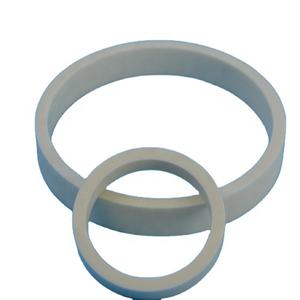
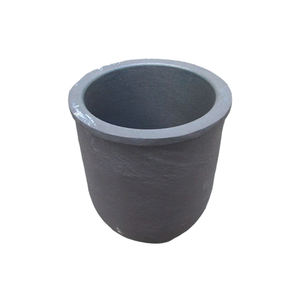
- Industrial alumina tubes, discs, or crucibles (used in labs or manufacturing, not kitchens)
Your alumina baking ceramic dish should be labeled as oven-safe, typically up to 500°F (260°C) or higher. Look for terms like ‘alumina ceramic casserole dish’ or ‘alumina oven ceramic dish’ on packaging.
3. Step-by-Step: How to Use Your Alumina Ceramic Baking Dish Safely
3.1. Preheat Gradually
Never place a cold alumina ceramic dish directly into a hot oven. Thermal shock—even in high-grade alumina—can cause cracking. Always place the dish in a cold oven and let it heat up gradually with the oven.
3.2. Avoid Sudden Temperature Changes
After baking, don’t set the hot dish on a cold countertop, wet surface, or in the fridge immediately. Let it cool on a dry trivet or wire rack for at least 15–20 minutes.
3.3. Use Proper Utensils
While alumina ceramic is scratch-resistant, metal utensils can still leave marks or micro-fractures over time. Opt for wood, silicone, or nylon tools when serving from your alumina casserole ceramic dish or alumina ceramic serving platter.
3.4. Check for Lids
If your alumina ceramic casserole comes with a lid (like an alumina ceramic casserole with lid), ensure the lid is also rated for oven use. Some decorative lids are for serving only.
4. Cleaning and Maintenance
4.1. Hand Wash Preferred
Even if labeled dishwasher-safe, hand washing preserves the glaze and longevity of your alumina ceramic dish. Use warm water, mild soap, and a soft sponge.
4.2. Remove Stubborn Residue
For baked-on food, soak the dish in warm, soapy water for 15–30 minutes. Avoid abrasive scouring pads—alumina is tough, but the glaze isn’t indestructible.
4.3. Store Carefully
Stacking alumina ceramic plates for dinner or alumina ceramic serving bowls? Place a soft cloth or paper towel between them to prevent chipping.
5. Common Mistakes and How to Avoid Them
Mistake #1: Using decorative alumina ceramic Christmas plates or alumina ceramic plates for painting in the oven. These are not designed for heat and may crack or leach materials.
Mistake #2: Confusing kitchenware with industrial alumina products. Alumina ceramic tubes, grinding discs, or crucibles are not food-safe—ever.
Mistake #3: Assuming all ‘alumina’ items are equal. An alumina black ceramic plate may look like your baking dish, but unless labeled oven-safe, it’s for display or cold use only.
6. When to Replace Your Dish
Inspect your alumina ceramic oven dish regularly. Replace it if you notice:
- Hairline cracks (even if not leaking)
- Glaze flaking or discoloration after repeated use
- Warping or uneven base that causes wobbling
A damaged alumina ceramic dish can fail unexpectedly during baking, posing safety risks.
7. Conclusion
Your alumina ceramic baking dish is a high-performance kitchen tool—when used correctly. By following these simple steps, you’ll avoid common pitfalls, extend its lifespan, and enjoy even baking results every time. Remember: not all ‘alumina ceramic’ items are created equal. Stick to verified oven-safe products like your alumina ceramic casserole dish or alumina oven dish ceramic, and keep decorative or industrial alumina items out of the kitchen.
Our Website founded on October 17, 2012, is a high-tech enterprise committed to the research and development, production, processing, sales and technical services of ceramic relative materials such as How. Our products includes but not limited to Boron Carbide Ceramic Products, Boron Nitride Ceramic Products, Silicon Carbide Ceramic Products, Silicon Nitride Ceramic Products, Zirconium Dioxide Ceramic Products, etc. If you are interested, please feel free to contact us.
RELATED POSTS
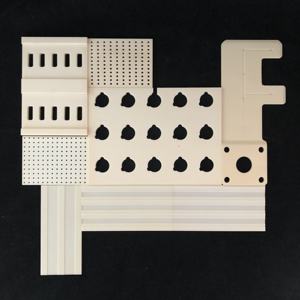
High Precision Al2O3 Alumina Ceramic Tiles and Blocks: Engineered for Superior Wear and Corrosion Resistance

High-Performance 99% Al2O3 Alumina Ceramic Insulator Blocks and Tiles for Industrial Abrasion Resistance
How to Safely Use and Maintain an Alumina Ceramic Baking Dish?
Aluminum oxide crucible: the cornerstone of advanced ceramics and chemical processing
Custom Alumina Ceramic Blocks: High-Temperature Resistant, Wear-Resistant Insulating Plates for Heating Applications