Professional Premium Aluminum Oxide Products Supplier

1. Introduction
In the past 48 hours, a surge in consumer interest around high-performance kitchenware has been noted following a major home goods retailer’s launch of a premium line featuring alumina ceramic bakeware. With growing awareness of non-toxic, durable, and heat-resistant cookware, many home chefs are turning to alumina ceramic dishes for baking, roasting, and serving. However, confusion persists about proper usage, care, and distinctions between similar-sounding items like alumina ceramic baking dish versus alumina oven dish ceramic. This guide provides clear, step-by-step instructions to help you get the most out of your alumina ceramic bakeware while avoiding common pitfalls.
2. Understanding Your Alumina Ceramic Baking Dish
An alumina ceramic baking dish is crafted from high-purity aluminum oxide (Al₂O₃), known for its exceptional thermal stability, chemical inertness, and resistance to scratching. Unlike standard ceramic or porcelain, alumina-based ceramics can withstand temperatures exceeding 1,600°C in industrial settings—though kitchen-grade versions are engineered for safe domestic oven use up to 500°F (260°C). These dishes are often marketed under names like alumina baking ceramic dish, alumina ceramic casserole, or alumina ceramic casserole with lid. They are distinct from alumina ceramic dinner plates or alumina ceramic serving platters, which are designed for table use rather than high-heat cooking.
3. Step-by-Step Guide to Using Your Alumina Ceramic Baking Dish
3.1. Preheating and Temperature Management

Always place your alumina ceramic dish in a cold oven and allow it to heat gradually with the oven. Sudden exposure to high heat—such as placing a room-temperature dish into a preheated oven—can cause thermal shock, leading to cracks. This applies equally to alumina oven ceramic dish and alumina ceramic casserole varieties. Never use under a broiler unless the manufacturer explicitly states it is broiler-safe.
3.2. Avoiding Thermal Shock
- Never transfer your hot alumina ceramic baking dish directly onto a cold countertop, wet surface, or metal rack. Use a dry trivet, wooden board, or folded kitchen towel.
- Do not add cold liquids to a hot dish. If a recipe requires deglazing or adding broth, let the dish cool slightly first.
3.3. Food Preparation and Cooking
Alumina ceramic dishes are ideal for casseroles, gratins, roasted vegetables, and baked pasta. Their non-porous surface resists odor and flavor absorption, making them suitable for dishes with strong ingredients like garlic or tomato. For best results, lightly grease the interior when baking sticky foods, though many modern alumina ceramic plates for dinner and alumina ceramic baking dishes have naturally non-stick surfaces due to their dense composition.
4. Cleaning and Maintenance
4.1. Daily Cleaning
Allow the dish to cool completely before washing. Use warm water, mild dish soap, and a soft sponge. Avoid abrasive scrubbers or steel wool, which can dull the glaze over time—even on durable items like alumina black ceramic plates or alumina ceramic black plates. Stubborn residues can be soaked in warm, soapy water for 15–30 minutes.
4.2. Stain Prevention and Removal
Although alumina ceramic is highly resistant to staining, prolonged contact with turmeric, tomato sauce, or red wine may leave faint marks. To remove, create a paste of baking soda and water, apply gently, and rinse thoroughly. This method is safe for alumina white ceramic plates and alumina ceramic butter dish with lid alike.
4.3. Storage Tips
Store your alumina ceramic serving bowls, alumina ceramic sugar dish, and alumina butter ceramic dish separately when possible to prevent chipping. If stacking is necessary, place a soft cloth or paper towel between items. This is especially important for delicate pieces like alumina ceramic childrens plates or handcrafted alumina handcrafted ceramic plates.
5. Common Mistakes to Avoid
Do not use your alumina ceramic dish on stovetops, induction burners, or open flames—these are strictly oven-safe only. Also, avoid using metal utensils that can scratch the surface; opt for wood, silicone, or nylon instead. While alumina ceramic dishes for oven are robust, they are not indestructible. Never use a cracked or chipped dish, as structural integrity is compromised.
6. Special Considerations for Decorative and Seasonal Items
Items like alumina ceramic christmas plates, alumina christmas ceramic platter, or alumina blue white porcelain plates are often designed for display or cold serving only. Check manufacturer labels before using them in the oven. Similarly, alumina ceramic plates for painting are typically not food-safe and should never be used for cooking or serving food.
7. Conclusion
With proper care, your alumina ceramic baking dish can last for years while delivering even heating, elegant presentation, and peace of mind regarding chemical safety. Whether you’re using an alumina casserole ceramic dish for a family dinner or an alumina ceramic serving platter for entertaining, following these practical steps ensures both performance and longevity. Always refer to the manufacturer’s instructions, and when in doubt, treat your alumina ceramic ware with the same respect you would fine china—despite its industrial-grade origins.
Our Website founded on October 17, 2012, is a high-tech enterprise committed to the research and development, production, processing, sales and technical services of ceramic relative materials such as How. Our products includes but not limited to Boron Carbide Ceramic Products, Boron Nitride Ceramic Products, Silicon Carbide Ceramic Products, Silicon Nitride Ceramic Products, Zirconium Dioxide Ceramic Products, etc. If you are interested, please feel free to contact us.
RELATED POSTS
5 Common Problems and Practical Fixes for Your Alumina Ceramic Baking Dish
5 Surprising Ways Alumina Ceramic Baking Dishes Are Revolutionizing Labs (And Why Your Kitchenware Just Got Cooler)
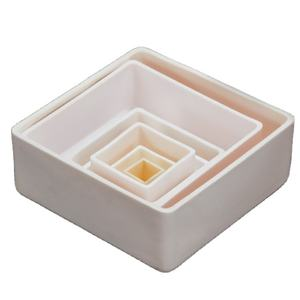
Alumina Ceramic Baking Dishes: A Deep Dive into Performance, Types, and Kitchen Applications
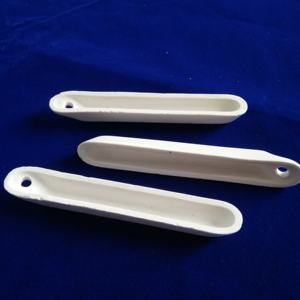
Discover the Versatility of Alumina Ceramic Baking Dishes and Kitchenware
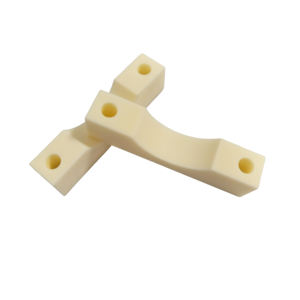
Alumina Ceramic Crucibles: Essential Properties and Industrial Applications