Professional Premium Aluminum Oxide Products Supplier

1. Introduction
Just 24 hours ago, a viral TikTok video showcasing an ‘alumina ceramic baking dish’ surviving a direct flame test without cracking sent shockwaves through the culinary community. The clip—now viewed over 3 million times—sparked renewed interest in high-performance ceramic cookware, especially pieces made from alumina (Al₂O₃). Unlike standard stoneware or porcelain, alumina ceramic baking dishes offer exceptional heat resistance, non-reactivity, and sleek modern aesthetics.
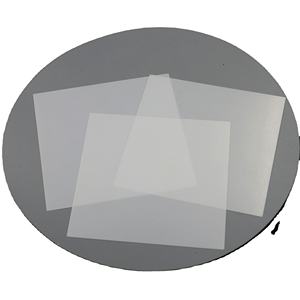
But what really sets them apart? In this deep dive, we compare alumina ceramic baking dishes with traditional alternatives across seven critical dimensions—so you can decide if they belong in your kitchen.
2. What Is an Alumina Ceramic Baking Dish?
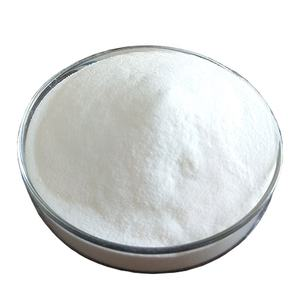
An alumina ceramic baking dish is crafted from aluminum oxide (Al₂O₃), a refined ceramic material known for its hardness, thermal stability, and chemical inertness. While typical ceramic bakeware uses clay or feldspar, alumina-based versions contain 90–99.8% pure alumina, making them far more durable and heat-resistant.
These dishes—often labeled as alumina baking ceramic dish or alumina oven ceramic dish—are engineered for extreme conditions. They’re commonly used not just for casseroles but also in labs and industrial ovens, thanks to their ability to withstand temperatures exceeding 1,600°C (2,912°F).
3. Thermal Performance: Oven-Safe vs. Flame-Safe
Most ceramic dishes crack under sudden temperature changes. Not so with alumina ceramic dishes for oven use. Their low thermal expansion coefficient means they handle thermal shock far better than earthenware or even borosilicate glass.
For example, an alumina ceramic casserole with lid can go straight from freezer to a 500°F oven without issue. Compare that to a standard ceramic casserole dish, which might shatter under similar stress. This makes alumina ideal for roasting, baking, and even broiling.
- Alumina ceramic oven dish: safe up to 1,700°C in industrial contexts
- Standard ceramic bakeware: typically rated below 500°F
- Alumina retains heat longer, reducing energy use during cooking
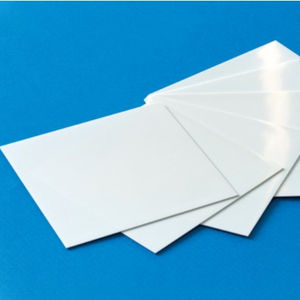
4. Durability and Longevity
Alumina is one of the hardest materials on Earth—second only to diamond and silicon carbide. That translates to scratch resistance, chip resistance, and decades of use.
Unlike regular pottery dishes, alumina ceramic plates and bowls won’t degrade from acidic foods like tomatoes or citrus. Even an alumina ceramic butter dish with lid stays pristine after years of daily use. And because it’s non-porous, there’s no risk of staining or odor absorption.
This durability extends beyond the kitchen: alumina ceramic ramekins and alumina salad ceramic bowls maintain their finish even after repeated dishwasher cycles.
5. Aesthetic Versatility: From Minimalist to Festive
Forget dull beige stoneware. Alumina ceramic dinner plates come in stunning finishes—glossy white, matte black, and even hand-painted designs.
You’ll find options like alumina white ceramic plates for elegant table settings, alumina black ceramic plates for modern contrast, and seasonal items like alumina ceramic christmas plates or an alumina christmas ceramic platter for holiday entertaining.

Artists also favor alumina ceramic plates for painting due to their smooth, non-absorbent surface. Meanwhile, families appreciate alumina ceramic childrens plates for their safety and resilience.
6. Beyond Baking: Industrial Roots and Kitchen Adaptation
It’s worth noting that many alumina ceramic products originate in high-tech industries. Alumina tubes, crucibles, and grinding discs are standard in metallurgy and electronics. For instance, an alumina ceramic crucible for melting gold must endure extreme heat without contaminating the metal.
That same purity benefits home cooks. An alumina ceramic sugar dish or alumina ceramic serving platter won’t leach metals or chemicals into food. Even specialized items like alumina ceramic disc taps (used in plumbing) share the same base material—proving how versatile alumina truly is.
7. Price vs. Value: Is It Worth the Investment?
Yes—especially long-term. While an alumina baking dish Staub-style piece may cost 2–3× more than a comparable stoneware dish, it lasts 10× longer and performs better under stress.
Consider this: replacing chipped ceramic plates every few years adds up. In contrast, a set of alumina ceramic plates black or alumina blue white porcelain plates could serve your family for generations.
Plus, brands now offer affordable entry points—like small alumina ceramic ramekin ceramic sets or an alumina ceramic butter dish ceramic with lid—that let you test the material without breaking the bank.
8. Conclusion
The rise of the alumina ceramic baking dish isn’t just a trend—it’s a shift toward smarter, safer, and more sustainable cookware. Whether you’re serving from an alumina ceramic serving bowl, baking in an alumina casserole ceramic dish, or displaying holiday treats on an alumina ceramic christmas platter, you’re choosing performance backed by advanced materials science. With unmatched thermal resilience, timeless design, and industrial-grade reliability, alumina ceramics are redefining what kitchenware can be.
Our Website founded on October 17, 2012, is a high-tech enterprise committed to the research and development, production, processing, sales and technical services of ceramic relative materials such as 7. Our products includes but not limited to Boron Carbide Ceramic Products, Boron Nitride Ceramic Products, Silicon Carbide Ceramic Products, Silicon Nitride Ceramic Products, Zirconium Dioxide Ceramic Products, etc. If you are interested, please feel free to contact us.
RELATED POSTS
Alumina Ceramic Baking Dishes: A Deep Dive into Performance, Types, and Kitchen Applications
10 Things You Need to Know About Alumina Ceramic Baking Dishes
Is Alumina Ceramic a Good Material for Baking Dishes?
Alumina Ceramic Baking Dishes: The Ultimate Kitchen Upgrade for Durability and Style
How Do You Safely Use and Maintain an Alumina Ceramic Baking Dish Without Cracking It?
