Professional Premium Aluminum Oxide Products Supplier

1. Introduction
Picture this: you’re pulling a bubbling mac and cheese from the oven in your trusty alumina ceramic baking dish. It’s evenly cooked, the dish is cool to the touch on the outside, and not a single chip in sight. Now, imagine that same material—refined, engineered, and scaled—protecting a thermocouple inside a 1,700°C industrial furnace. Spoiler: it’s the same superstar. Alumina ceramic isn’t just for dinner plates or butter dishes; it’s a high-performance material masquerading as kitchenware.
2. From Casserole to Crucible: The Dual Life of Alumina Ceramic
2.1. Kitchen-Grade vs. Lab-Grade Alumina
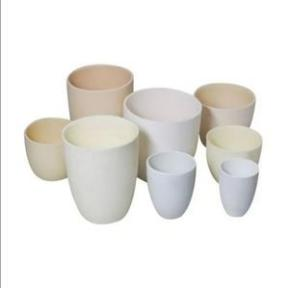
Your alumina ceramic casserole dish and a lab-grade alumina crucible share the same core ingredient: aluminum oxide (Al₂O₃). But while your oven-safe casserole might be 90–95% pure alumina, industrial versions hit 99.5% or higher. This purity grants extreme thermal stability, chemical inertness, and mechanical strength—perfect for melting gold or housing sensitive sensors.
2.2. Why Alumina? The Superpowers
Alumina ceramics laugh in the face of thermal shock. They don’t warp at 1,600°C, resist corrosion from molten metals, and won’t leach toxins into your béchamel—or your semiconductor batch. That’s why everything from alumina ceramic dinner plates to alumina thermocouple protection tubes relies on this material. It’s like the Swiss Army knife of advanced ceramics: versatile, tough, and surprisingly elegant.
3. Niche Application Spotlight: Thermocouple Protection Tubes
3.1. The Unsung Heroes of High-Temperature Measurement
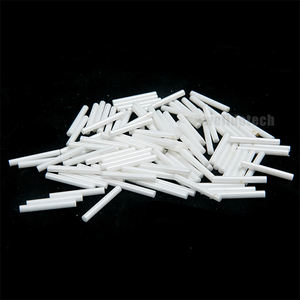
In steel mills, glass factories, and aerospace testing labs, accurate temperature readings are non-negotiable. Enter the alumina ceramic thermocouple protection tube. These slender alumina ceramic tubes shield delicate thermocouple wires from corrosive atmospheres, mechanical wear, and extreme heat—often exceeding 1,500°C. Without them, sensors would fail faster than a soufflé in a drafty kitchen.
3.2. Design Meets Function
Manufacturers produce alumina ceramic tubes in countless configurations: single-bore, threaded, hollow, or even porous for gas diffusion. Whether it’s an alumina zirconia thermocouple tube for added toughness or a nonporous alumina silicon carbide tube for aggressive environments, the geometry is tailored to the mission. And yes, some even resemble oversized versions of your alumina ceramic ramekins—just don’t try baking crème brûlée in them.
4. Beyond the Oven: Unexpected Alumina Ceramic Forms
4.1. From Dinnerware to Discs
The same material in your alumina white ceramic plates also powers alumina ceramic disc taps in high-purity water systems and alumina piezoelectric ceramic discs in ultrasonic cleaners. Even alumina ceramic grinding discs—used to shape other ceramics—owe their hardness to this versatile oxide. It’s a full-circle moment: alumina shapes alumina.
4.2. Holiday Cheer Meets High-Tech
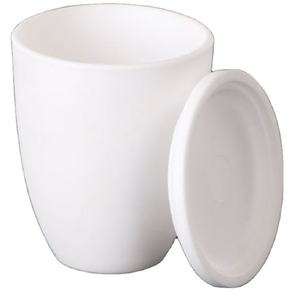
Yes, even your alumina christmas ceramic platter shares DNA with industrial components. While it’s busy holding gingerbread cookies, its cousin—the alumina ceramic crucible with lid—is containing reactive molten salts in battery R&D labs. Same elegance, vastly different stakes.
5. Why This Matters for Consumers and Engineers Alike
Understanding that your alumina ceramic serving platter and an alumina high-temperature ceramic tube come from the same family demystifies advanced materials. For home cooks, it explains why alumina ceramic dishes for oven use outlast glass or stoneware. For engineers, it underscores the material’s reliability across scales. Plus, it’s oddly satisfying to know your alumina butter ceramic dish with lid is basically a mini-refractory vessel.
6. Conclusion
The humble alumina ceramic baking dish is more than a kitchen staple—it’s a gateway to appreciating one of engineering’s most resilient materials. Whether you’re serving salad in an alumina salad ceramic bowl or monitoring furnace temps with an alumina ceramic sheath tube, you’re benefiting from the same extraordinary properties. So next time you use your alumina oven ceramic dish, give it a nod. It’s not just cookware—it’s a high-tech hero in disguise.
Our Website founded on October 17, 2012, is a high-tech enterprise committed to the research and development, production, processing, sales and technical services of ceramic relative materials such as Alumina. Our products includes but not limited to Boron Carbide Ceramic Products, Boron Nitride Ceramic Products, Silicon Carbide Ceramic Products, Silicon Nitride Ceramic Products, Zirconium Dioxide Ceramic Products, etc. If you are interested, please feel free to contact us.
RELATED POSTS
Alumina Ceramic Baking Dishes: The Ultimate Guide to Performance, Versatility, and Safety

How to Use and Care for Your Alumina Ceramic Baking Dish: A Practical Guide
5 Niche Applications of Alumina Ceramic Baking Dishes Beyond the Kitchen
7 Key Differences Between Alumina Ceramic Baking Dishes and Other High-Temperature Ceramic Cookware

Alumina Ceramic Baking Dishes Enable Precision High-Temperature Processing in Advanced Materials Research